Emma’s Turmoil in the Wake of Joseph’s Death.
The financial, mental, and emotional toll that unfolded after Emma Smith lost her husband and brother-in-law at the hands of an angry mob in 1844, was devastating. Few people realize the enormity of the loss that fell upon not only Emma, but many others who lost their properties and livelihood. Upon hearing of the deaths of Joseph and Hyrum Smith, creditors wasted no time demanding payment for past debts from the estate of Joseph Smith the man, and Joseph Smith, trustee-in-trust for the Church. The largest debt was from the United States government, due to the sale of a steamboat by Robert E. Lee to Church members. Adding to the difficulty of trying to obtain payment for debts was the fact that Joseph had not left a will, and it was hard to distinguish what belonged to Joseph personally, and Joseph; trustee-in–trust for the Church. The losses were heavy, the strain was great, and it would be nearly ten years before the estate was settled.
In Joseph Smith and the Legal Process: In the Wake of the Steamboat Nauvoo by Dallin H. Oaks and Joseph I. Bentley, we are given an in-depth look at the turmoil which surrounded Emma and members of the church after June 27, 1844. Sit back, relax, and click on the link below to read this fascinating article that examines a part of Church history many may not be aware of. Enjoy!
The Missouri Trials
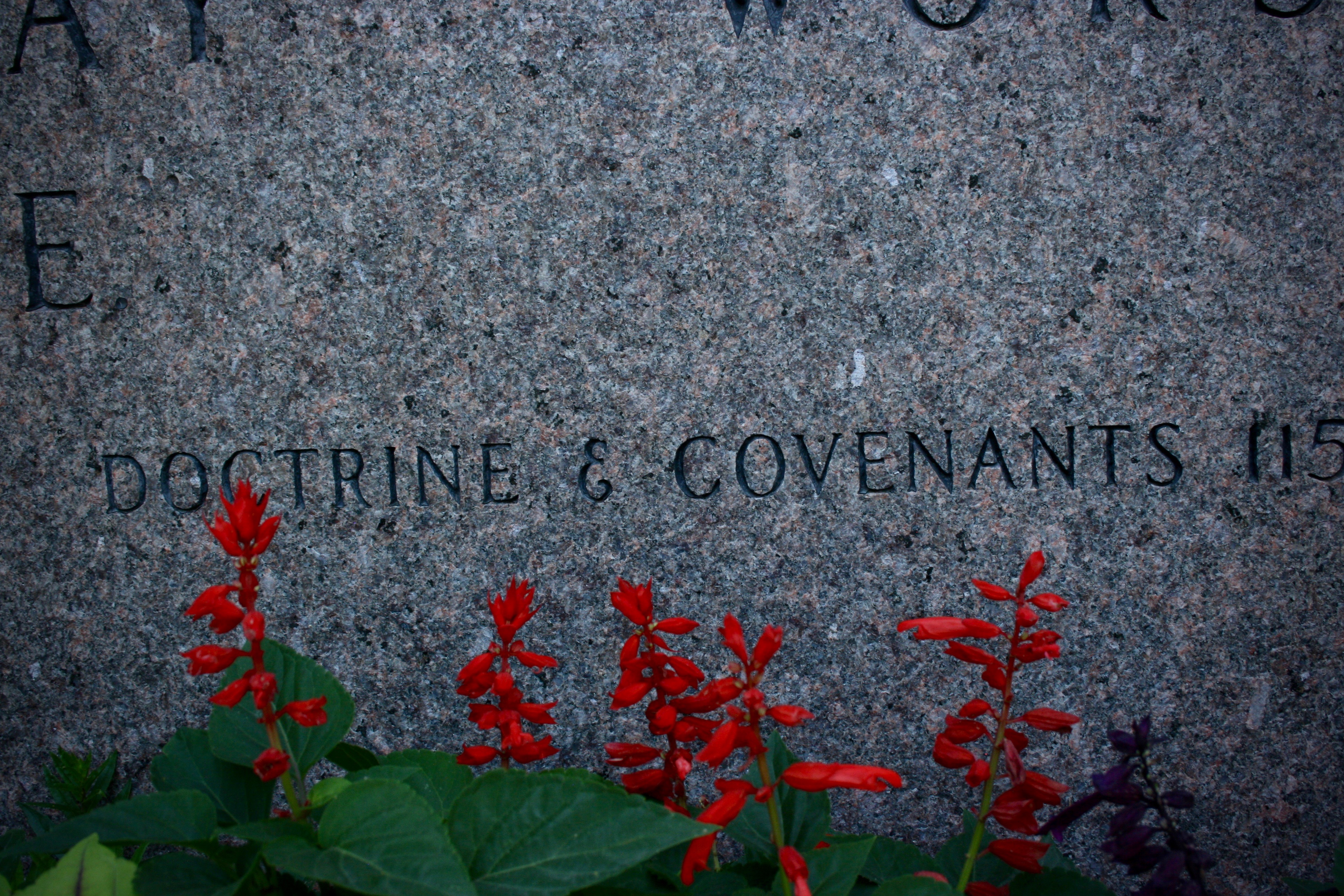
Though many people know of the trials experienced by the Latter-Day Saint pioneers in Missouri, few people understand that it was actually a revelation Joseph Smith received on July 8, 1838, concerning the brethren and setting the foundation stone at the Far West temple site, that fueled persecution to a fever pitch.
This revelation had a date affixed to it; that the foundation stones would be set on April 26th of the following year. Since there was a date connected to the fulfillment of the revelation, the mob was bent on seeing that all of the Mormons were driven out of Missouri before the date arrived, making it impossible to set the foundation stones, thereby proving Joseph a false prophet. The nine months following the July 8th revelation would prove to be the most pressing and violent the Latter-Day Saints had seen thus far. The adversary would not rest, weaving hatred into the hearts of men and moving them commit vile acts against many, regardless of age or gender.
The following article gives a good accounting of that part in our history:
A Return to the Eye of the Missouri Storm, April 26, 1839
- ———————————————————————————————–
- What Happened to Joseph and Emma’s Children?
- ———————————————————————————————–
I have had many people ask me at firesides about Joseph and Emma’s children. There is never enough time to talk about everything that I would wish to when we are on the road speaking, so I thought I would post this article from our family website which was written by Jannalee Rossner for LDS Living Magazine. A link is provided for the article in this review by Gracia Jones.
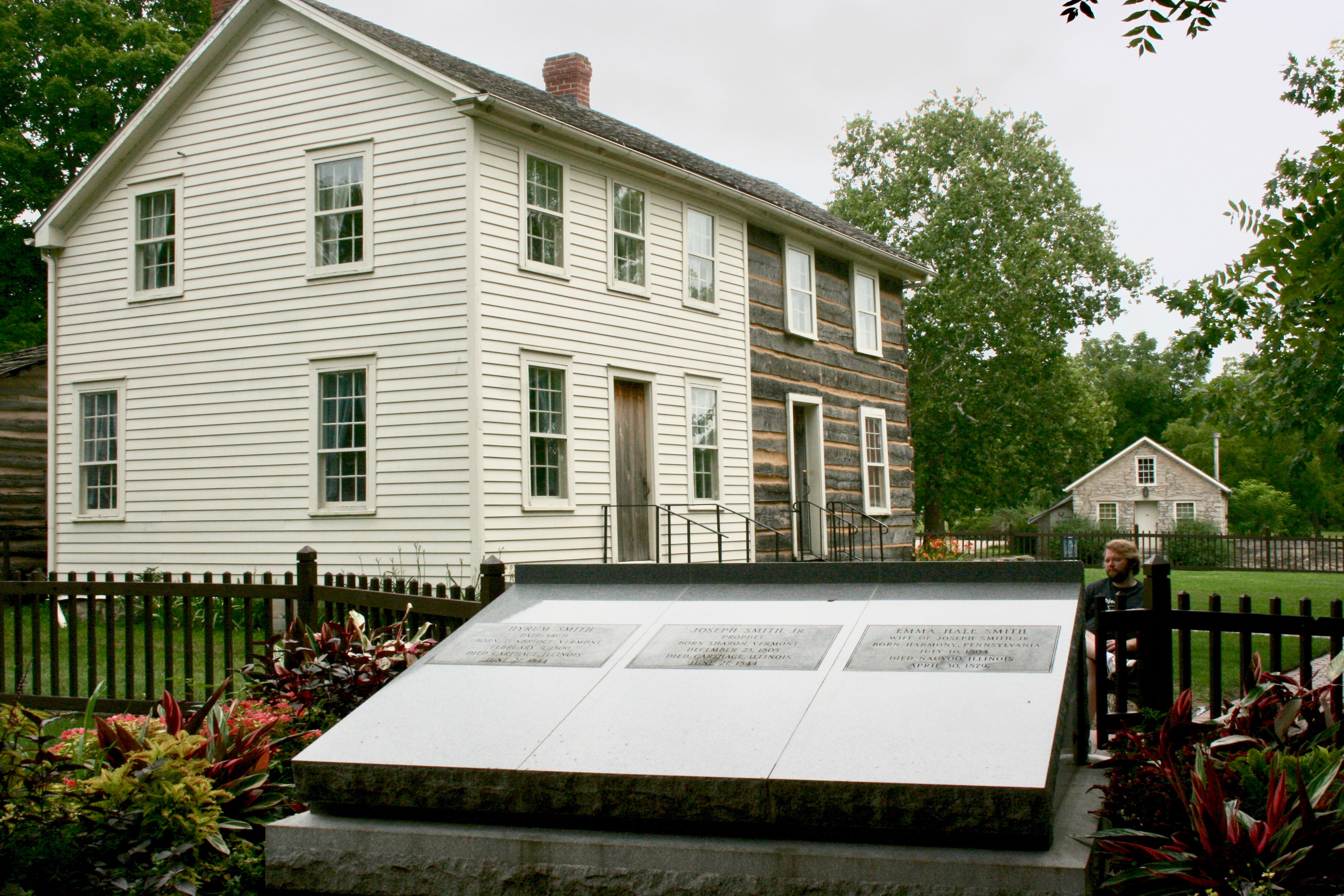 A review and recommendation by Gracia N. Jones, historian for the Joseph and Emma Hale Smith Historical Society, of the article of that same title by Jannalee Rosner published in LDS Living Magazine October 17, 2015:
Surprising as it may seem, some people have actually thought Joseph and Emma Hale Smith did not have any children; or, on the other hand, have had a clouded image in their minds as to who their children were and what became of them.
Ms. Rosner, in her article “What Happened to Joseph and Emma’s Children,” has provided a brief and concise account of each of the eleven children who came into Joseph and Emma’s parental care. While the brevity of the article leaves many details unclear, the information given in this article is an excellent beginning for anyone seeking to know of this family.
With appreciation for the work done by Jannalee Rosner, we want to make this article available to our family and friends on this website. Link for Rosner’s LDS Living article https://www.ldsliving.com/What-Happened-to-Joseph-Smith-and-Emma-s-Children/s/80310
For more detail and in-depth understanding, we invite readers to read the extended bios on each of these individuals as presented on this site. In the future more articles will be provided here which will fill in some of the gaps still remaining regarding the lives, activities, and contributions to their world, by the posterity of Joseph and Emma.
Gracia N. Jones
________________________________________________________
The Timing of Joseph Smith’s First Vision
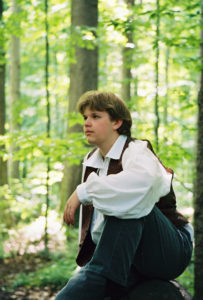
One question that occasionally arises when studying the First Vision of Joseph Smith concerns the different accounts he later recorded of the experience. While the core event—the appearance of heavenly beings in response to Joseph’s prayer—remains consistent, the accounts were written at different times and for different audiences, which explains some variation in wording and emphasis.
The earliest written account we have from Joseph himself was recorded in 1832, about twelve years after the event. The more familiar account, now included in Pearl of Great Price, was written in 1838 as part of his formal history of the Church. Other accounts were recorded when Joseph shared the experience with visitors or when scribes documented his teachings.
Historians note that these differences are not unusual. When people recount a powerful personal experience over many years, they often emphasize different aspects depending on the audience or the purpose of the telling. What remains consistent in Joseph’s accounts is that as a young man he sought forgiveness and guidance from God and received a divine manifestation.
Another question sometimes asked is when during the spring the First Vision occurred.
Joseph later wrote that the experience happened in the “early spring of 1820.” While he did not specify an exact date, historians generally believe it likely occurred sometime between late March and early May.
Weather records and agricultural practices of the time suggest the timing may have been after the ground had begun to thaw but before the busy planting season was fully underway. Early spring in upstate New York often brought alternating days of thaw and lingering snow, muddy fields, and cold mornings followed by milder afternoons.
Joseph described going to a grove of trees near his family’s farm in Manchester, New York, seeking a quiet place to pray. The grove itself—later known as the Sacred Grove—would have been just beginning to awaken from winter, with bare branches and the first signs of spring returning to the landscape.
Though the exact day is unknown, Joseph’s own description places the event during a time of spiritual searching and religious excitement in the region. Revivals were common in the area, part of a broader religious movement historians call the Second Great Awakening, which influenced many young people of Joseph’s generation to seek answers about faith and salvation.
In that setting—amid religious debate, personal uncertainty, and the quiet woods of early spring—a young farm boy knelt in prayer, seeking forgiveness and direction. According to Joseph’s testimony, the answer he received would shape the course of his life and eventually the history of man, bringing forward the fullness of the Gospel.
I have included below an article by BYU Studies that is also interesting.
The Other Husband
I have heard many people say unkind things about Lewis Bidamon, Emma Smith’s second husband. Gracia Jones has written a most informative article about the man who married Emma Hale Smith three years after Joseph’s death. Upon reading this article, the reader will find Lewis Bidamon to be a kind man who has human failings as we all do, but he was a good step-father to Emma’s children, and he did all that he could to help the family survive in Nauvoo. What I was delighted to read was, though not a religious man himself, how staunchly he stood up for The Church and its members, not even allowing anyone to talk against the Prophet Joseph Smith!